Water and Why it Matters
May 25, 2026
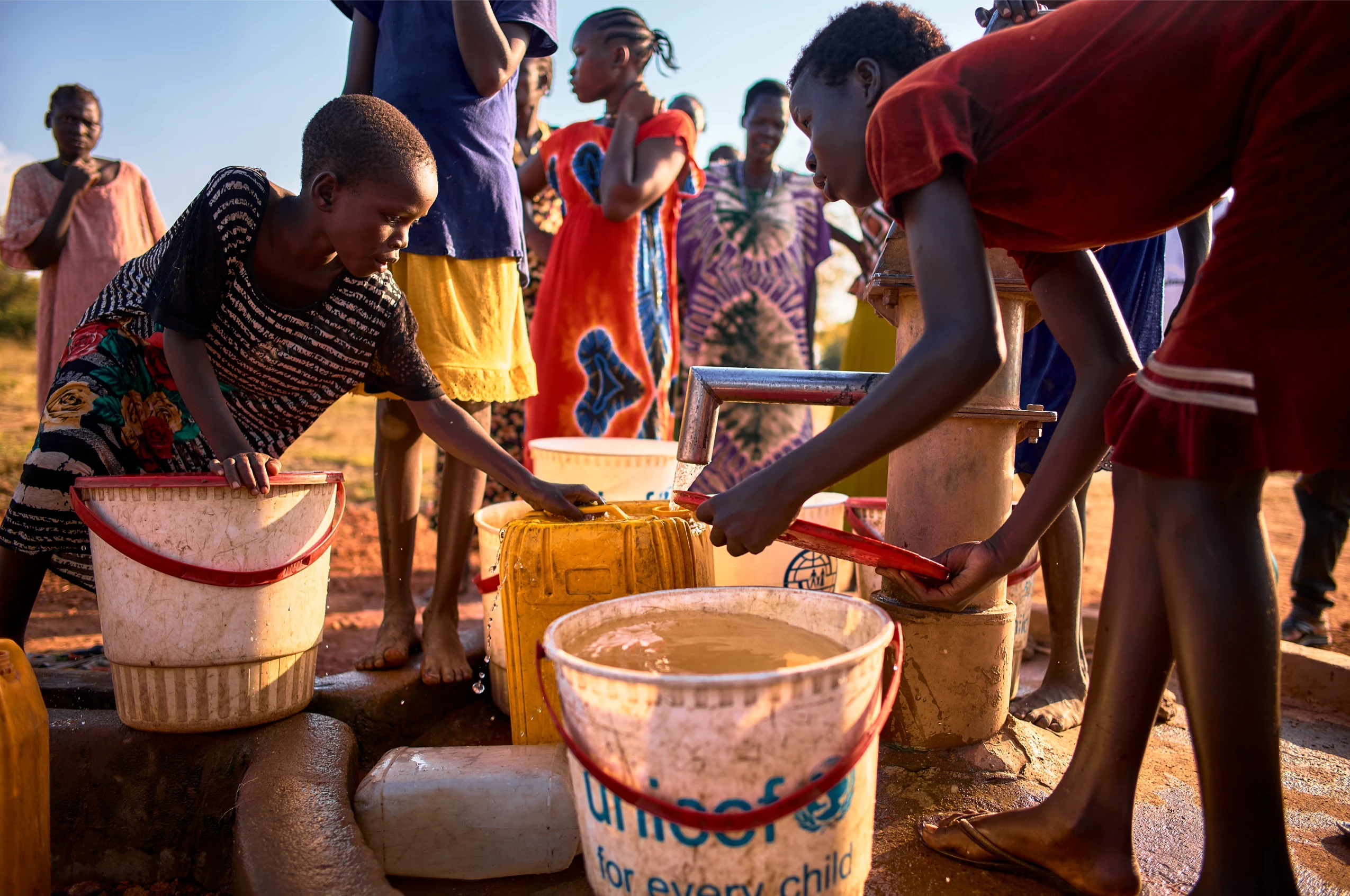
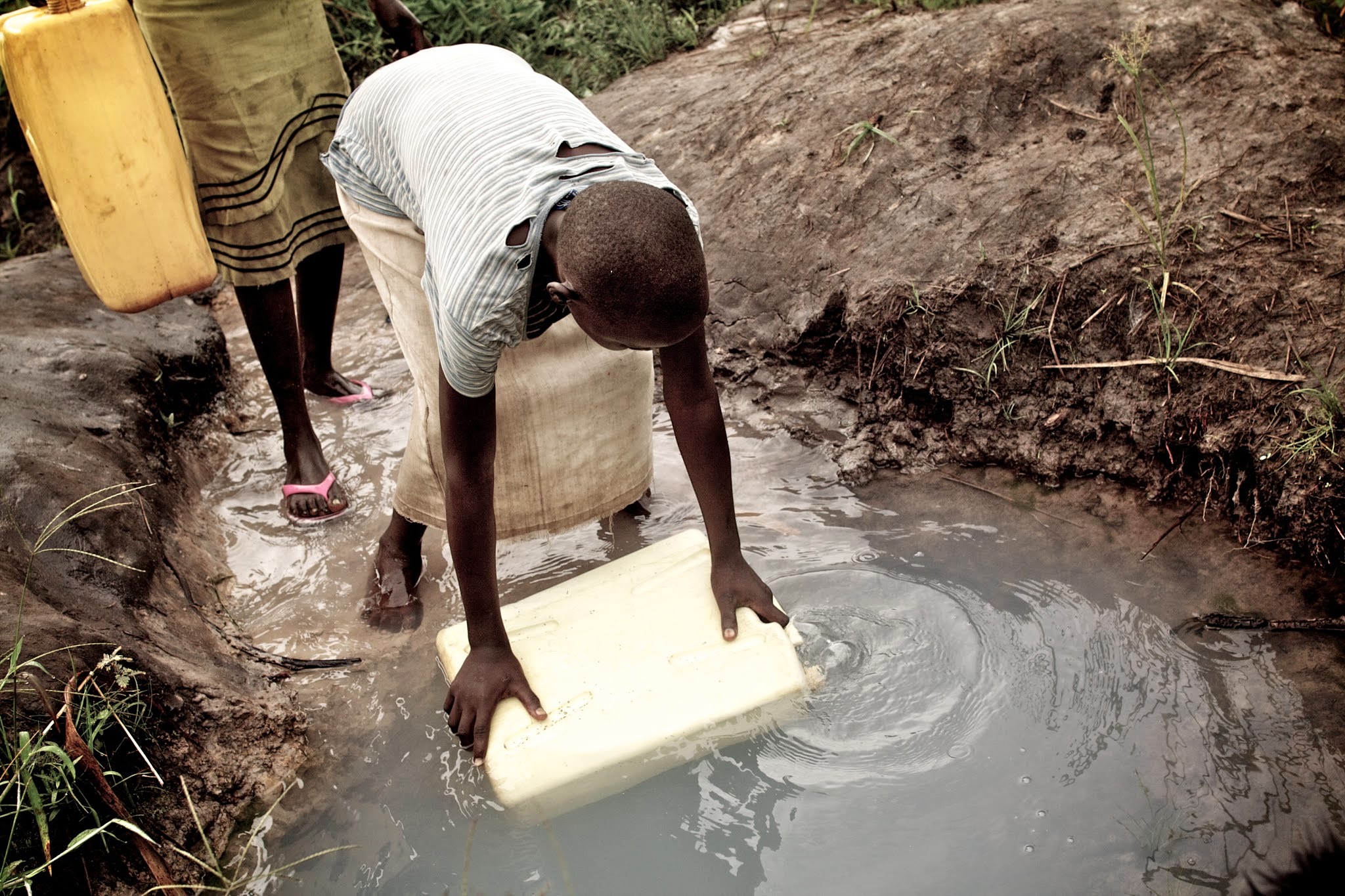
12 to 20 Miles a Day: In South Sudan, women and girls walk an average of 12 to 20 miles a day to fetch water. During the extreme dry season, this walk can stretch to 20 miles in a single day. 3 Hours of Wasted School Time: Adolescent girls in South Sudan report spending up to 3 hours of their school day just walking and waiting to fill their daily quota of 20-liter jerry cans.
Water and Why it Matters
The Stolen Time & Physical Burden in South Sudan
12 to 20 Miles a Day: In South Sudan, women and girls walk an average of 12 to 20 miles a day to fetch water. During the extreme dry season, this walk can stretch to 20 miles in a single day. (Source: Sudan Relief Fund)
3 Hours of Wasted School Time: Adolescent girls in South Sudan report spending up to 3 hours of their school day just walking and waiting to fill their daily quota of 20-liter jerry cans. (Source: UNICEF South Sudan)
42 Pounds Per Trip: Girls carry up to 42 pounds (18 kgs) of water each time they make a trip, resulting in sheer physical exhaustion that prevents them from focusing if they do make it to class. (Source: Water for South Sudan)
The Educational Devastation for South Sudanese Girls
Only 27% Enrollment: Due to physical burdens, such as the daily water walk and systemic poverty, only 27% of students enrolled in schools across South Sudan are girls. (Source: Sudan Relief Fund)
An 8% Literacy Rate: Only 8% of women in South Sudan can read. This is considered one of, if not the worst, female literacy rates in the entire world. (Source: Sudan Relief Fund)
No Water at School: Only 32% of schools in South Sudan actually have access to safe drinking water on their premises, meaning girls must fetch water at home before and after school, or leave school during the day to find it. (Source: UNICEF South Sudan)
More Likely to Die than Graduate: Because they are kept out of the classroom to collect water and aid in household survival, a girl in South Sudan is statistically more likely to die in childbirth than to complete her primary school education. (Source: Sudan Relief Fund)
The Survival Consequences
59% of the Nation: 6.5 million people (59% of South Sudan's population) completely lack access to clean water, leaving the massive burden of finding it squarely on the shoulders of local women and girls. (Source: Sudan Relief Fund)
"Survival Marriages" & The Drought: When the dry season creates extreme water scarcity and economic hardship, South Sudanese families increasingly resort to "survival marriages," marrying off young, uneducated girls in exchange for cattle or other resources just to survive. (Source: UNFPA - United Nations Population Fund)