What Mary Carried: The Reality of a South Sudanese Pump Mechanic
March 12, 2026
When Mary was just 12 years old, soldiers attacked her village. In the absolute chaos, she grabbed the nearest baby she could reach and ran into the bush. She ran until her body physically gave out. The baby died in her arms, and to survive, a 12-year-old Mary had to lie in the dirt and play dead while the soldiers moved past her.
When Mary was just 12 years old, soldiers attacked her village.
In the absolute chaos, she ran with baby she was watching and ran into the bush. She ran until her body physically gave out. The baby died in her arms, and to survive, a 12-year-old Mary had to lie in the dirt and play dead while the soldiers moved past her.
Years later, that trauma compounded when her own firstborn child passed away. Today, she carries a burden most of us cannot comprehend. She recently told me the hardest truth: she cannot watch her children sleep without waking up in a panic in the middle of the night, terrified that they aren't breathing.
That is the baseline trauma of the warzone we operate in. It is brutal, and it is real.
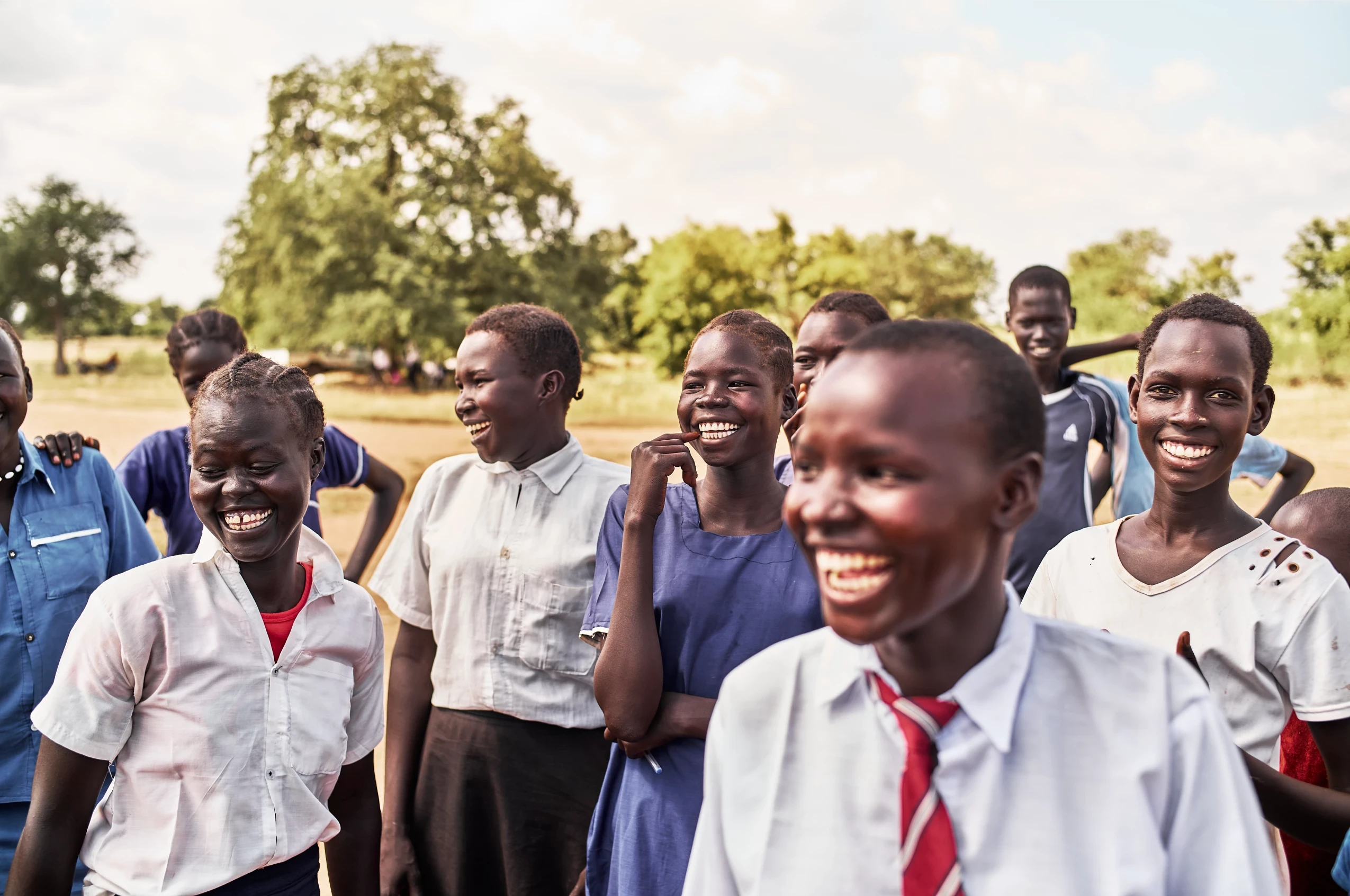
But if you think Mary’s story is a tragedy, you do not know the women of South Sudan.
"When I sat with Mary, I didn’t see a victim. I saw a brilliant, calculating businesswoman."
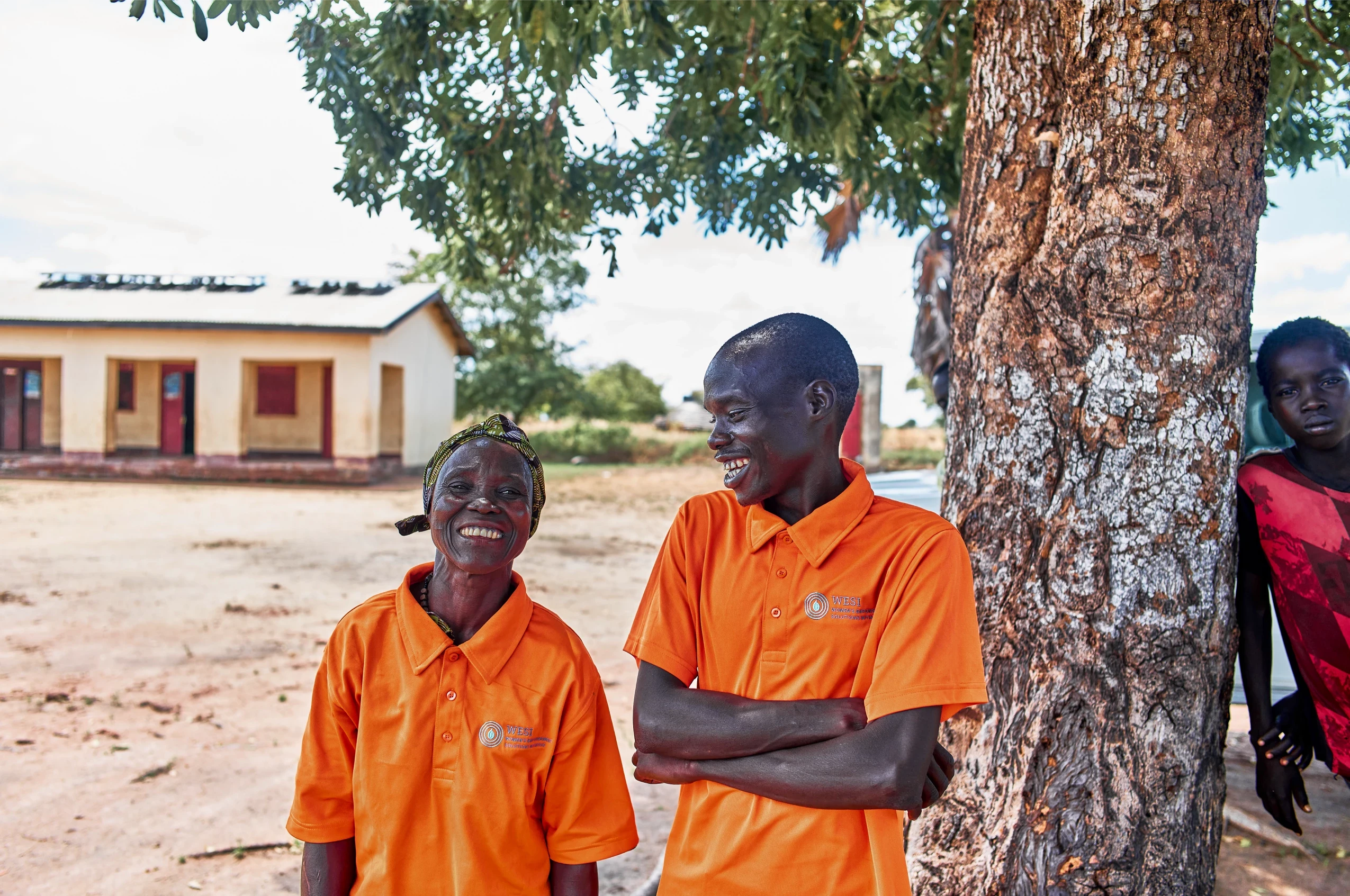
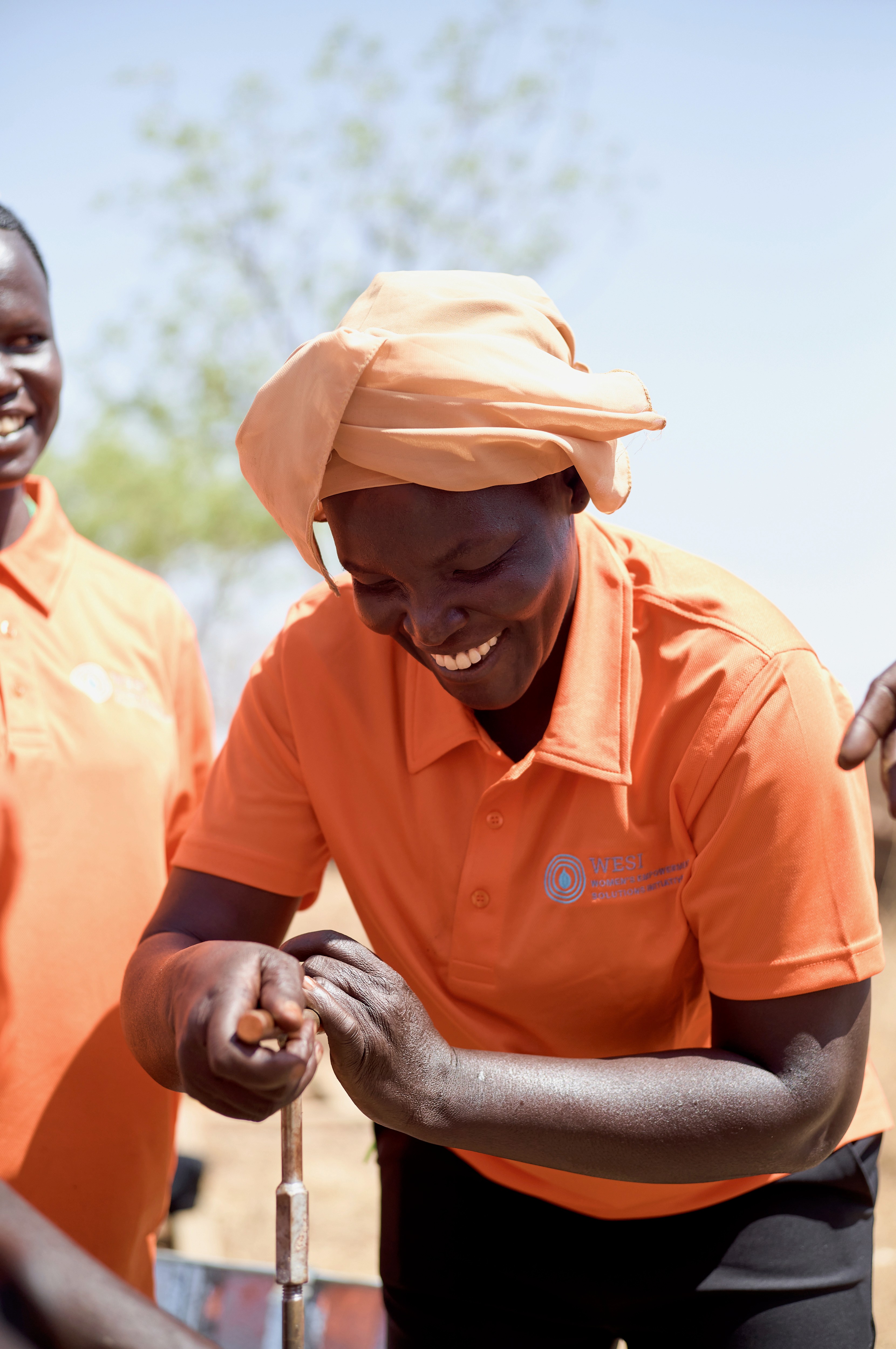
Mary is now a fully trained pump mechanic with the Women's Well Repair Initiative. And she is sharp as a tack.
She already has a mental map of every broken well in her region, and she is strategically planning her repair routes. She knows exactly what parts she needs, what her labor is worth, and how she is going to get her community's water flowing again.
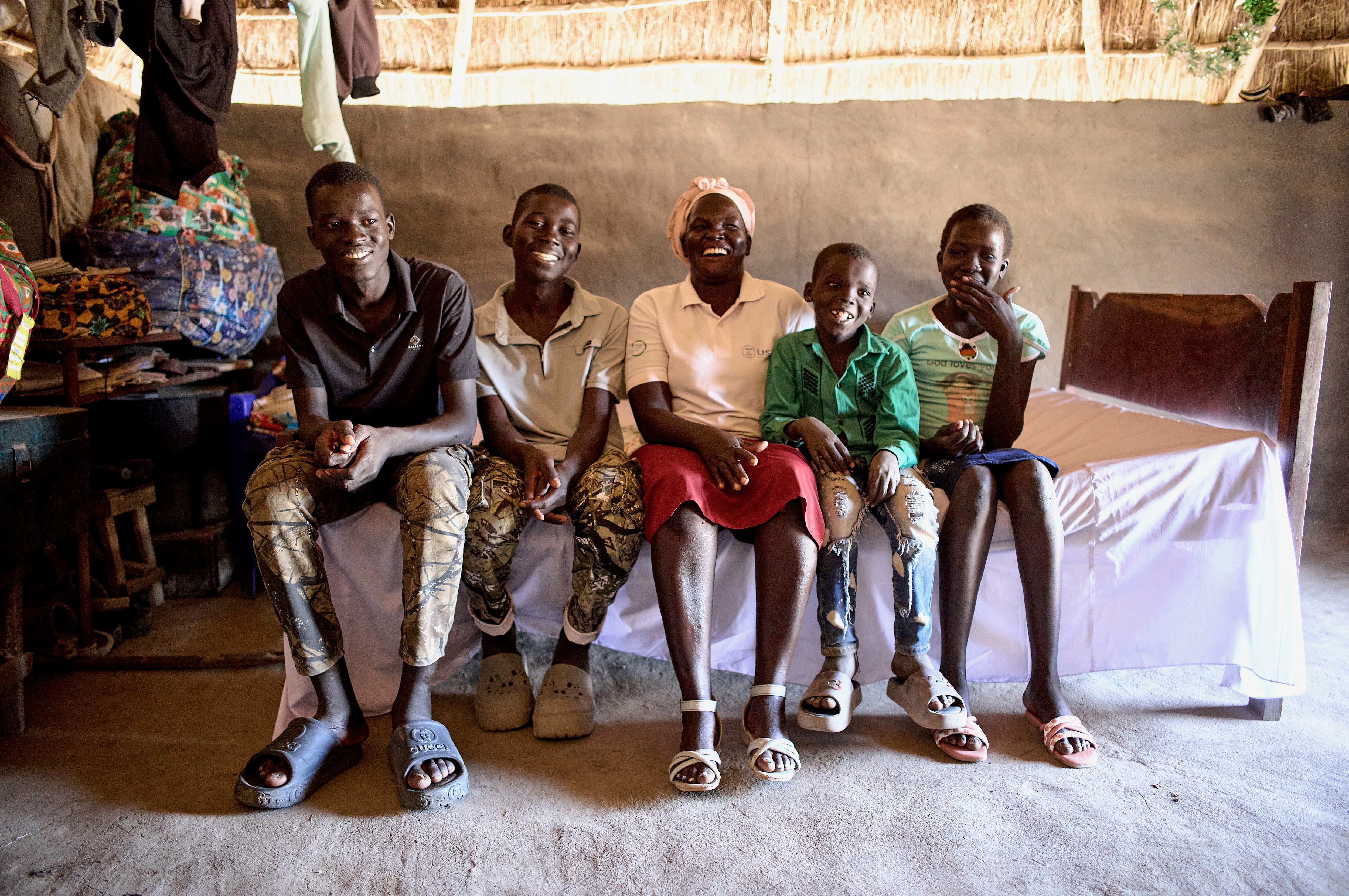
Women who have survived unimaginable loss do not need our pity. They need tools, capital, and a supply chain.
The Economics of Empowerment
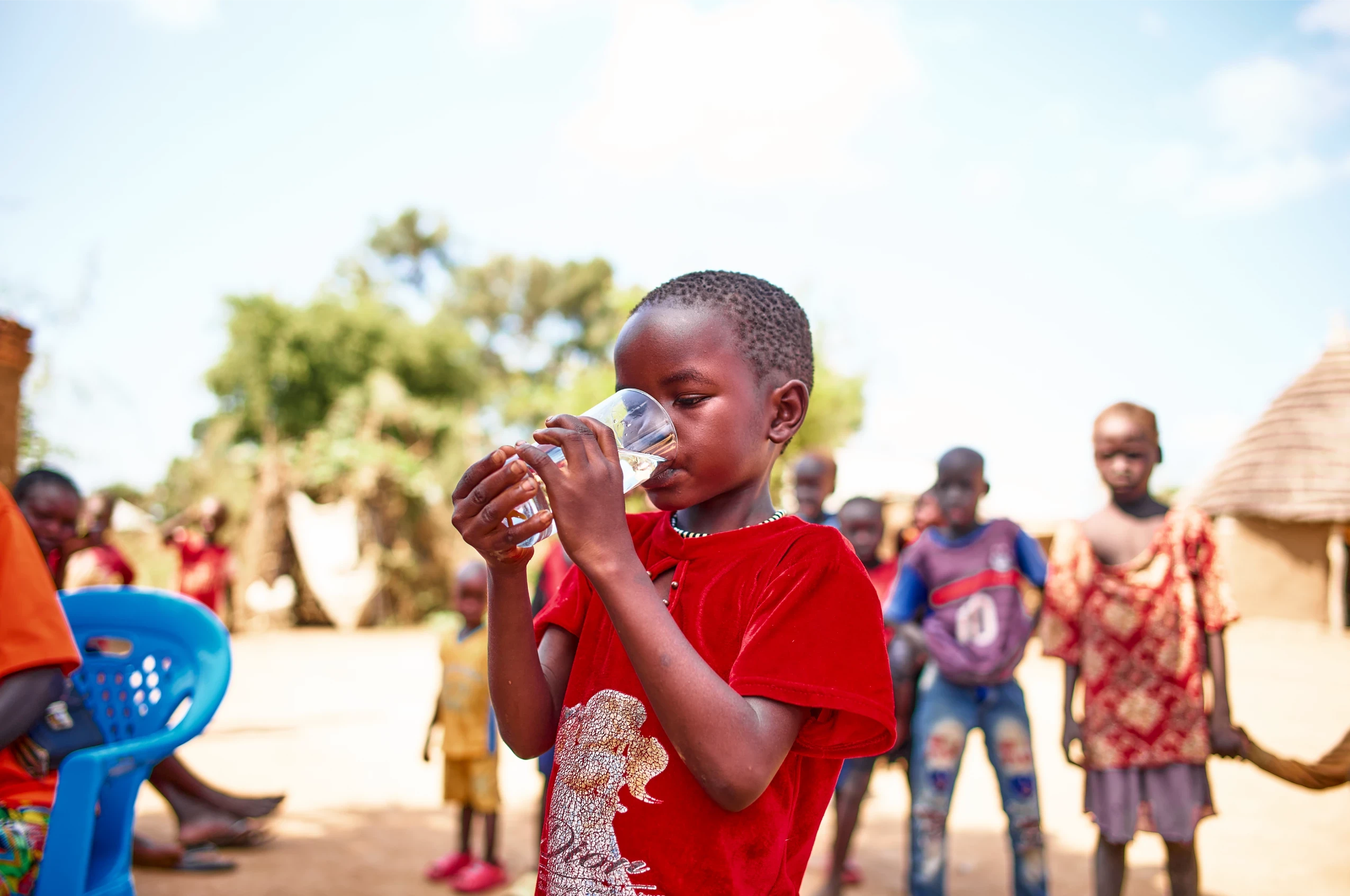
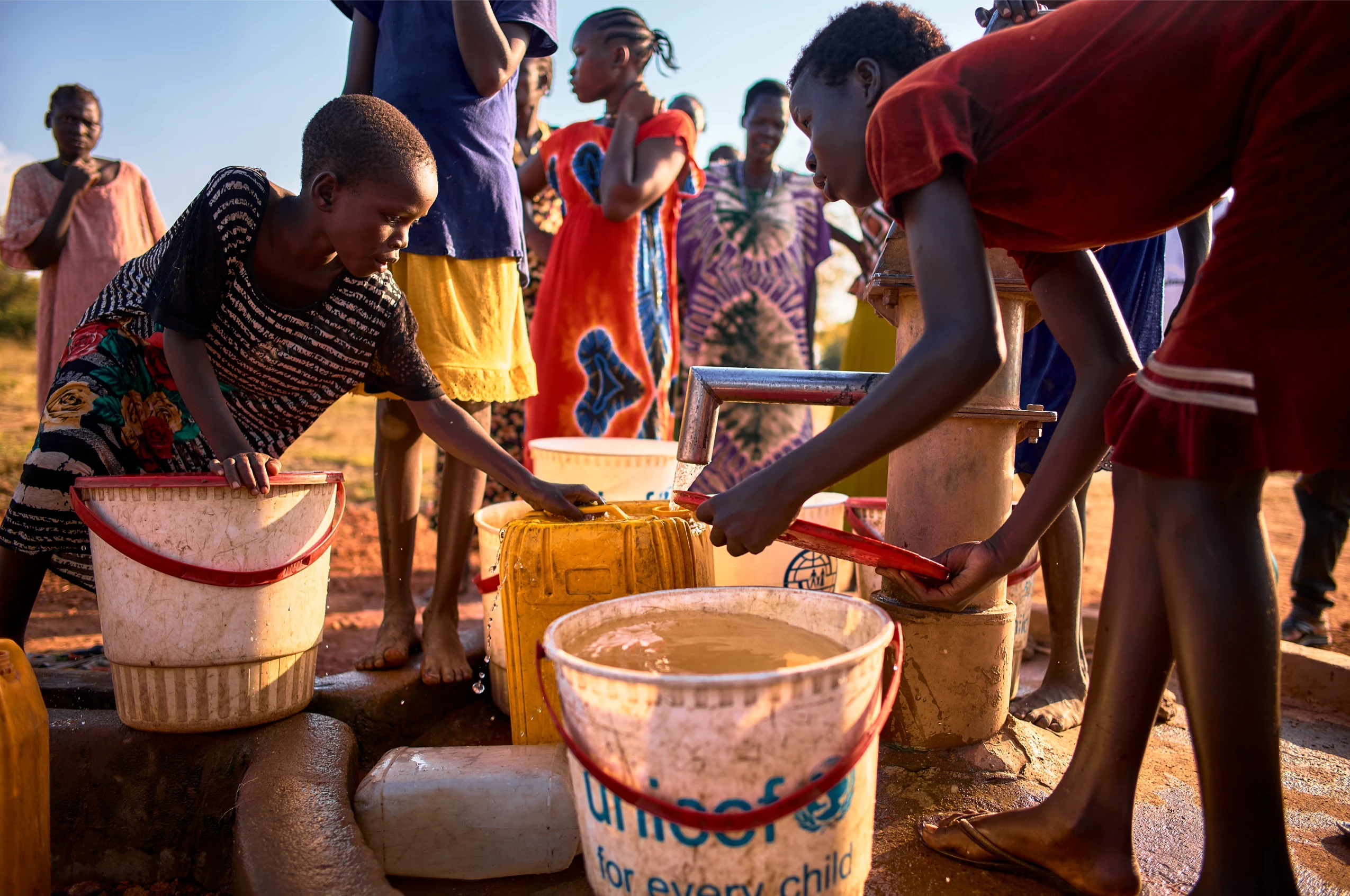
This is exactly why Water is Basic completely abandoned the traditional "drill a well and walk away" model. We shifted our entire focus to training and equipping local women, because women like Mary are the only ones who can actually solve this crisis permanently.
South Sudan does not manufacture heavy-duty water infrastructure. By covering the exorbitant costs of importing and transporting stainless steel pipes and cylinders, we allow Mary to buy replacement parts at a locally affordable wholesale rate.
She buys the parts, repairs the well, and charges her local village Water Committee a fee for her labor. The water stays clean, the pump stays fixed, and Mary earns an independent income to protect and feed her family.